When you envision your brand's custom packaging, you likely think about colors, logos, and finishes. But before a single drop of ink hits the paper, a much more fundamental decision must be made: What physical shape will your box take?
The folding carton is the undisputed workhorse of the retail packaging industry. Made from paperboard that is cut, folded, and glued, folding cartons are lightweight, highly customizable, and perfect for high-quality offset printing.
However, "folding carton" is just a broad category. Within it lies dozens of different structural styles—each engineered to solve a specific problem regarding product weight, assembly speed, and paper efficiency. Choosing the wrong style can lead to boxes breaking open on retail shelves, or your warehouse team wasting thousands of hours on complicated assembly.
To help you make the right structural choice, the engineering team at Printline has broken down 10 of the most popular folding carton styles, how they work, and which one is right for your product.
1. Reverse Tuck End (RTE)
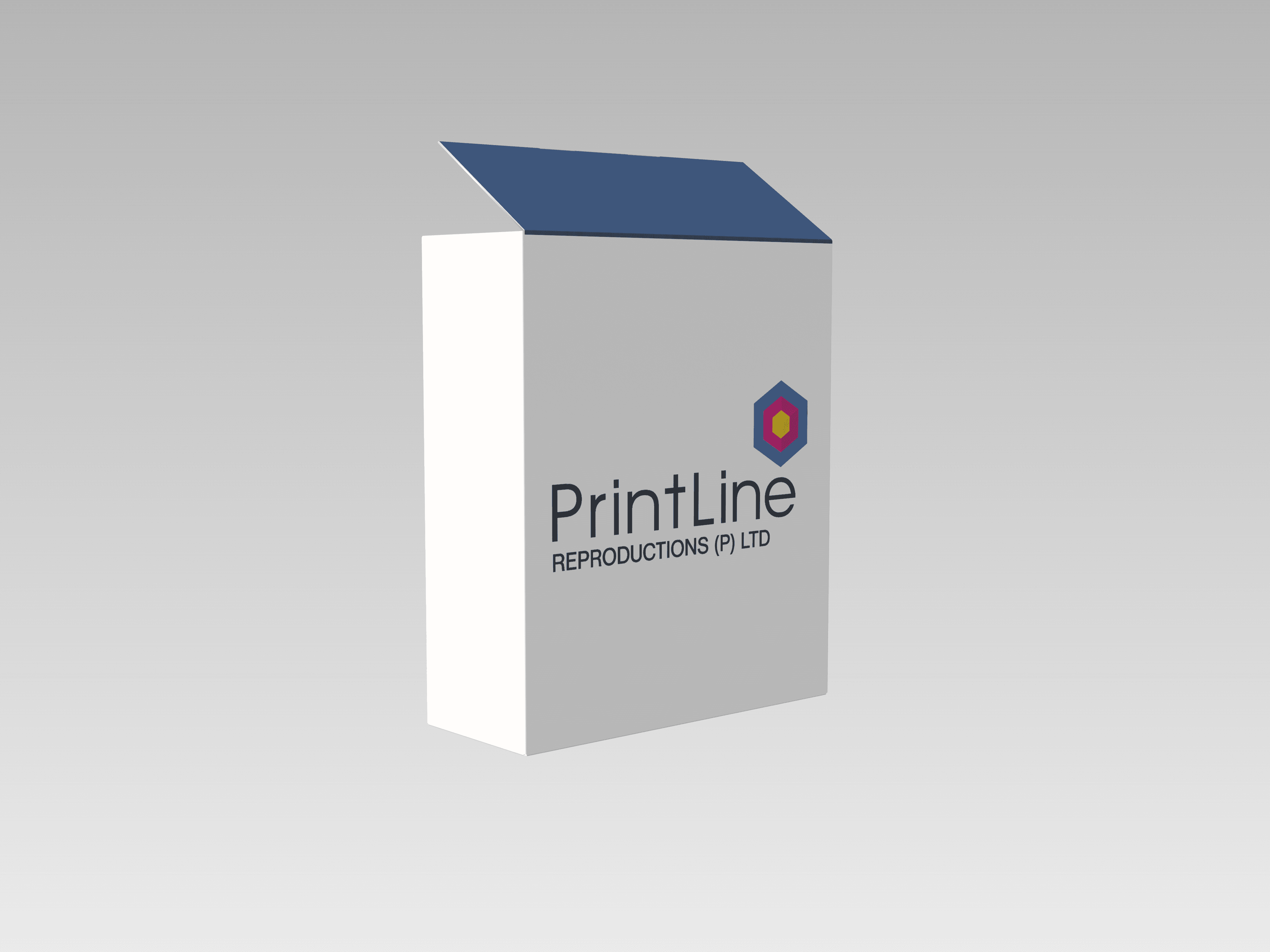
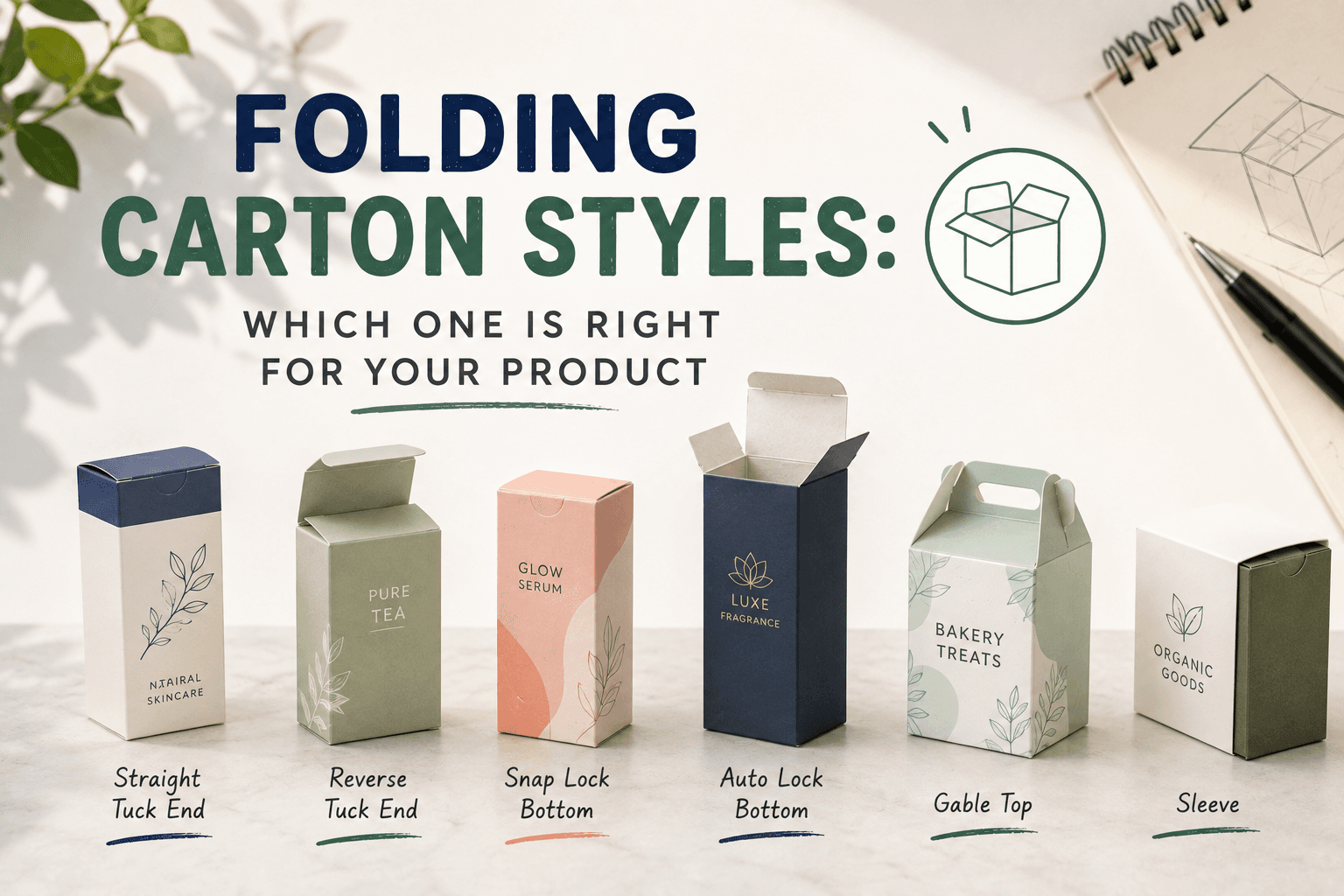
The Reverse Tuck End is the most widely used folding carton in the world. It features a top closure that tucks from the front to the back, and a bottom closure that tucks from the back to the front (in opposite directions).
The Big Advantage: Cost efficiency. Because the top and bottom flaps fold in opposite directions, the flattened dielines "nest" perfectly together on a master sheet of paperboard during the printing process. This minimizes wasted paper, making the RTE incredibly economical.
Best For: Lightweight items like cosmetics, small pharmaceuticals, skincare tubes, and lightweight retail goods.
2. Straight Tuck End (STE)
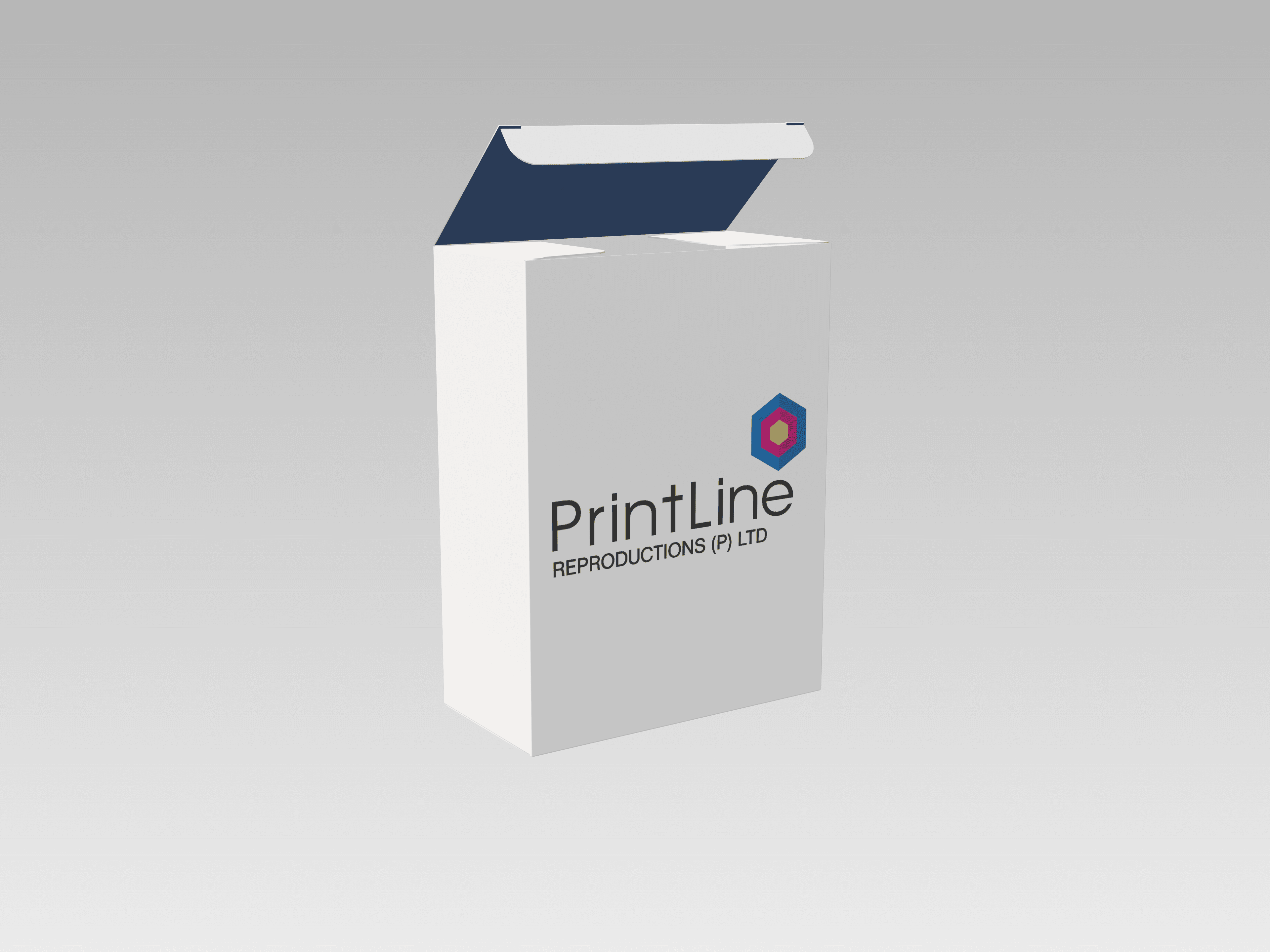
Unlike the RTE, the Straight Tuck End features top and bottom flaps that both fold in the same direction (usually from the front of the box toward the back).
The Big Advantage: Aesthetics and display. Because both flaps fold toward the rear, the front face of the carton is completely smooth with no visible raw paper edges. Furthermore, if you are adding a die-cut window to the front of your box to show off your product, an STE is required so the tuck flaps don't interfere with the window.
Best For: Premium cosmetics, windowed packaging, and high-end retail products.
3. Snap-Lock Bottom (1-2-3 Bottom)
If you are putting a heavy glass jar into a standard tuck-end box, the weight of the jar might push the bottom flaps open, causing the product to fall out. You need a stronger base. Enter the Snap-Lock Bottom. This box features a standard tuck flap on the top, but the bottom is made of four flaps that fold and interlock into each other in three quick steps.
The Big Advantage: Excellent structural strength for heavier items without the added manufacturing cost of industrial gluing.
Best For: Candles, heavy glass cosmetics, beverage bottles, and heavy tech accessories.
4. Auto-Bottom (Crash Bottom)
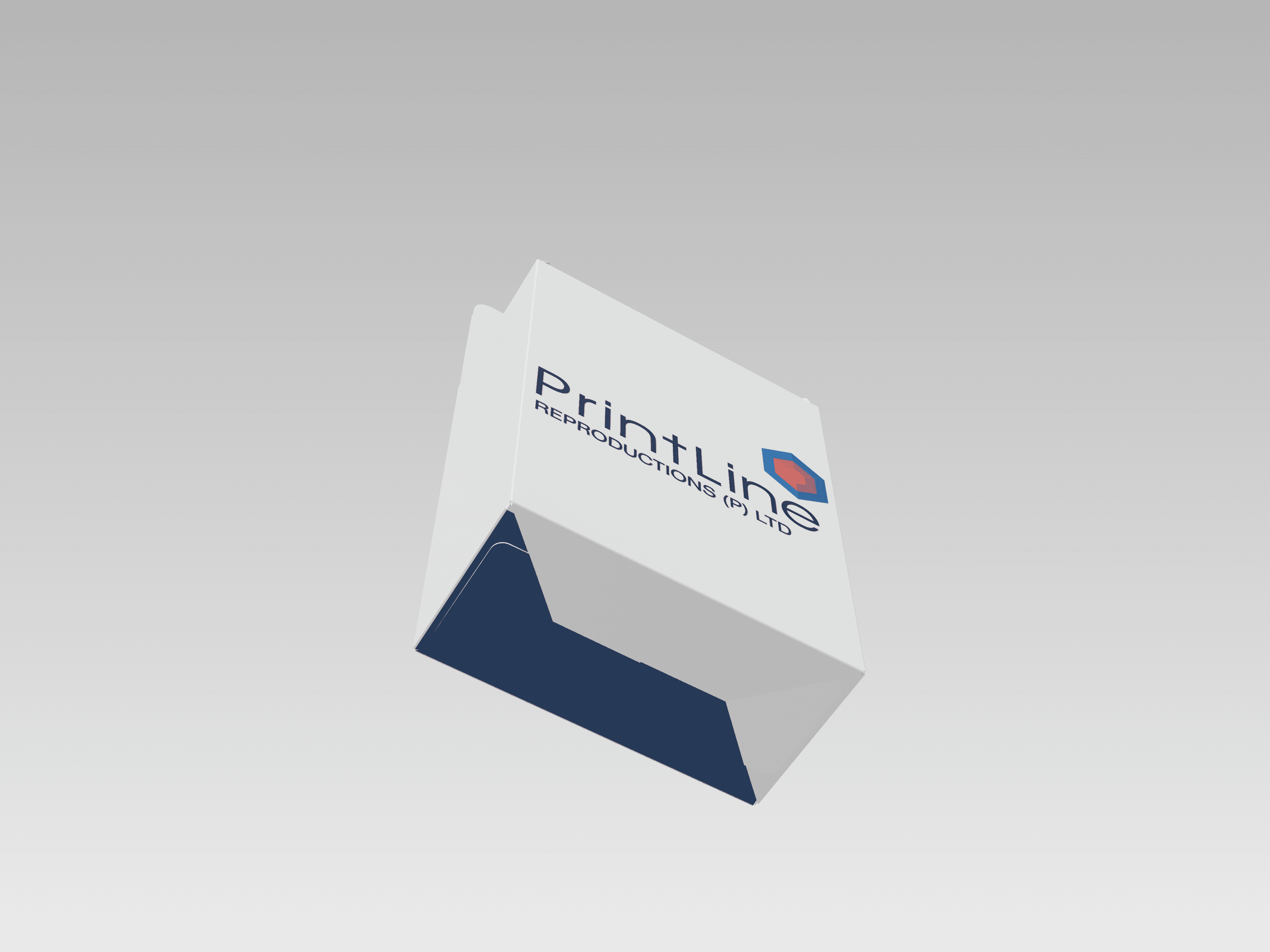
If you need the strength of a Snap-Lock bottom but cannot afford the slow assembly time, the Auto-Bottom is your solution. During manufacturing at Printline, the bottom flaps are pre-glued together. When your warehouse worker takes the flat box and pushes the sides, the bottom automatically pops into a locked, rigid shape instantly.
The Big Advantage: Blazing fast fulfillment. It provides maximum strength while saving massive amounts of labor time on the assembly line.
Best For: High-volume fulfillment, heavy retail items, and fast-paced manufacturing lines.
5. Gable Box (Handle Box)
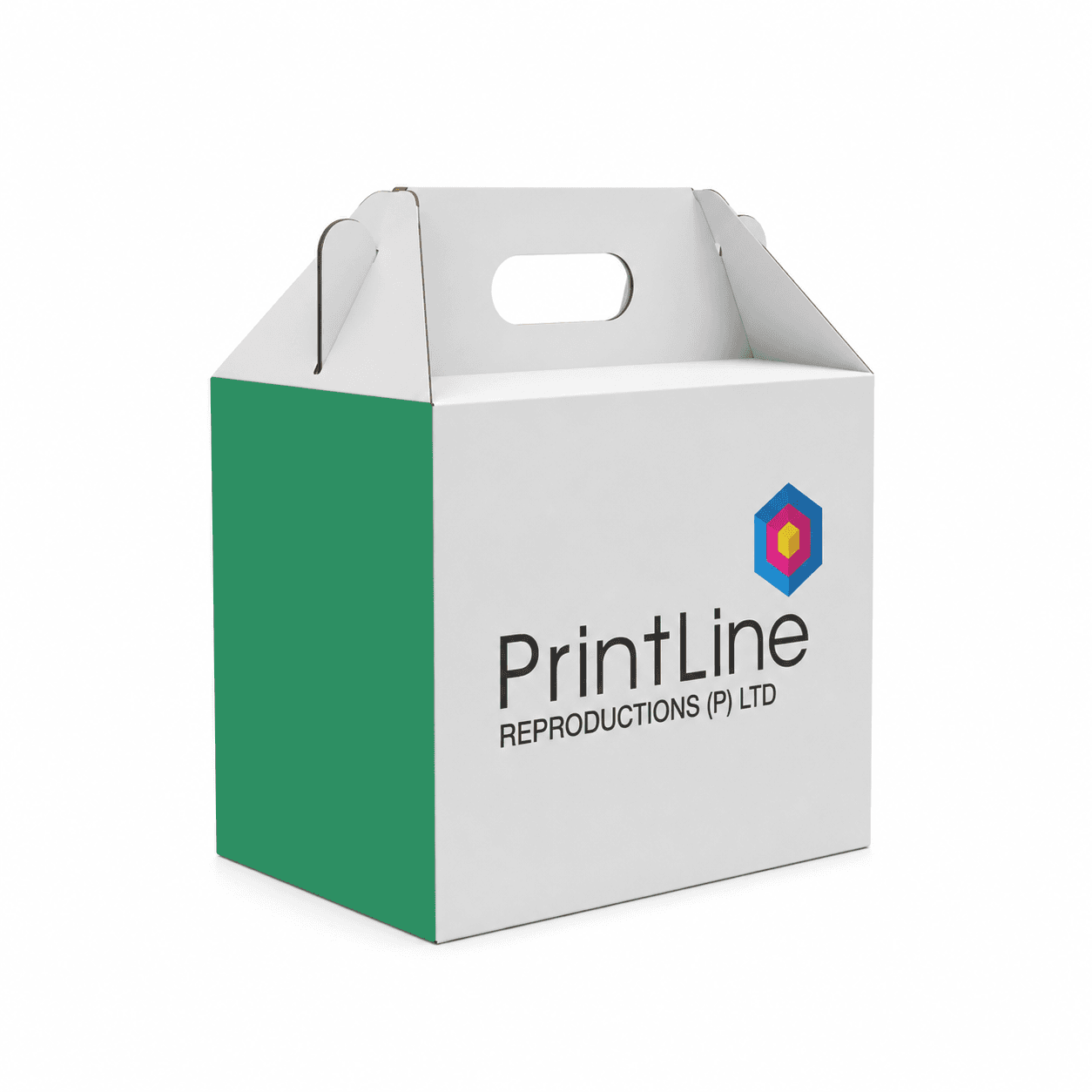
Instantly recognizable by its pitched, "roof-like" top and integrated handle, the gable box is a classic packaging style that combines a carrying bag and a box into one unified structure. They usually feature an auto-bottom or snap-lock base for strength.
The Big Advantage: Convenience and charm. The built-in handle makes it incredibly easy for customers to carry, eliminating the need for a separate shopping bag.
Best For: Bakery items, fast-casual food takeout, promotional event kits, and holiday gift boxes.
6. Pillow Box
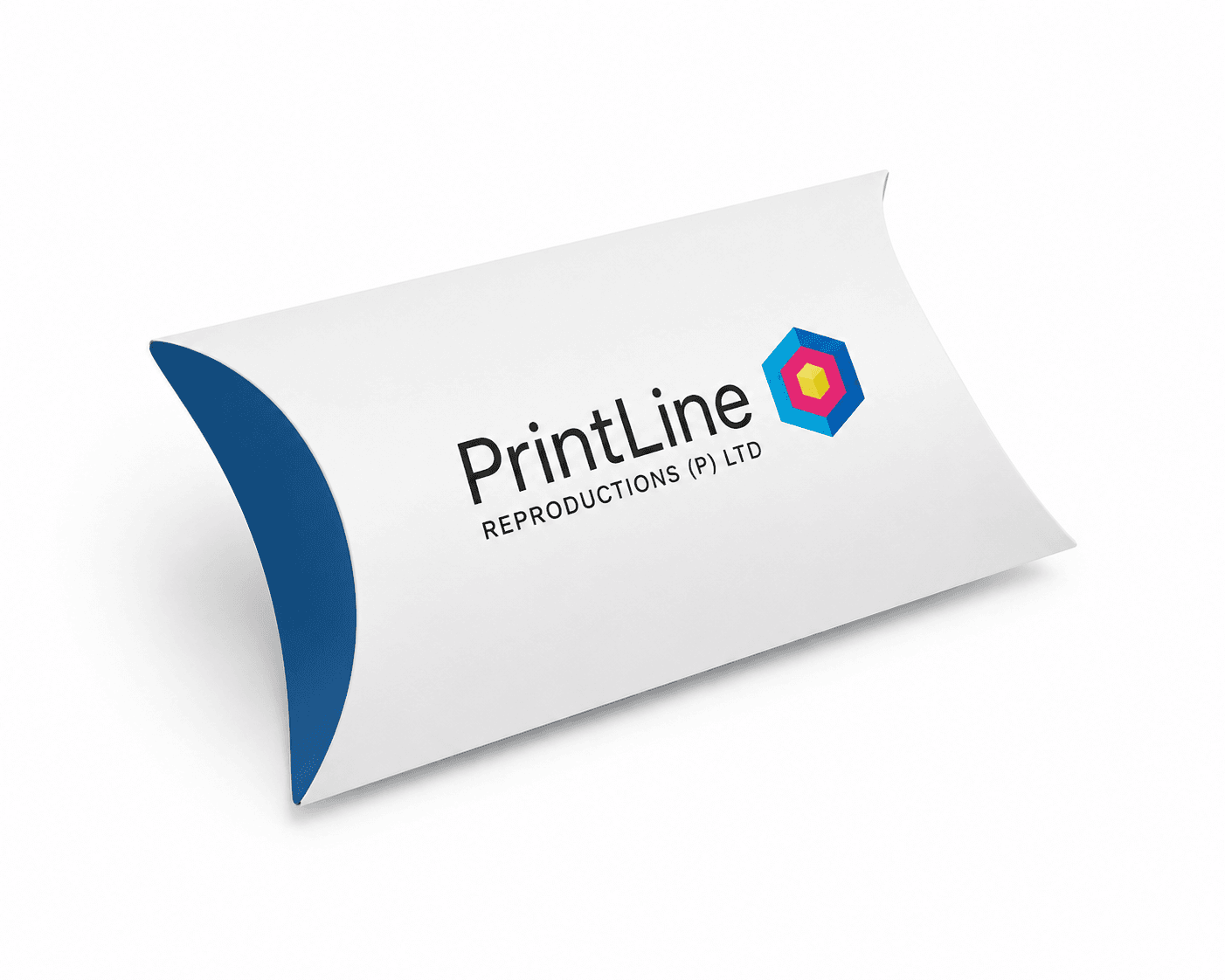
Named for its distinctive curved shape, a pillow box is formed by two convex, interlocking end flaps. It has no sharp, squared edges, giving it a soft, elegant, and highly unique profile.
The Big Advantage: Unique aesthetics and rapid assembly. The curved flaps pop into place with a simple squeeze.
Best For: Small, lightweight items like jewelry, gift cards, apparel accessories (like silk scarves), and small cosmetics.
The Drawback: Because it is rounded, it does not stack well on retail shelves, making it better suited for e-commerce, point-of-sale bins, or gift-giving.
7. Six-Corner Automatic Box (Infold/Outfold)
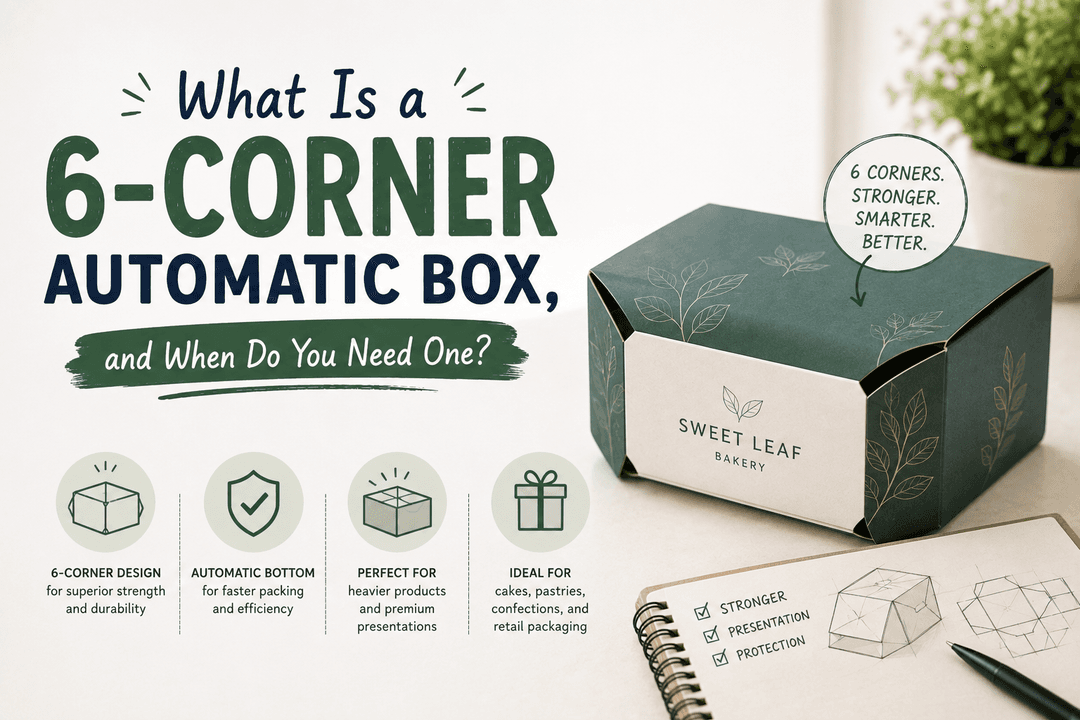
Considered a marvel of packaging engineering, this is a premium, wide-format box (often resembling a bakery box or clamshell) where the lid is permanently attached to the base. During manufacturing, it is pre-glued at six specific points. When a packer pulls it open, both the tray walls and the lid pop into a perfect 3D shape instantly.
The Big Advantage: The ultimate combination of luxury unboxing presentation and ultra-fast, 1-second assembly on the warehouse floor.
Best For: Premium apparel, baked goods, luxury skincare sets, and subscription boxes.
8. Hang Tab Box (Hanging Carton)
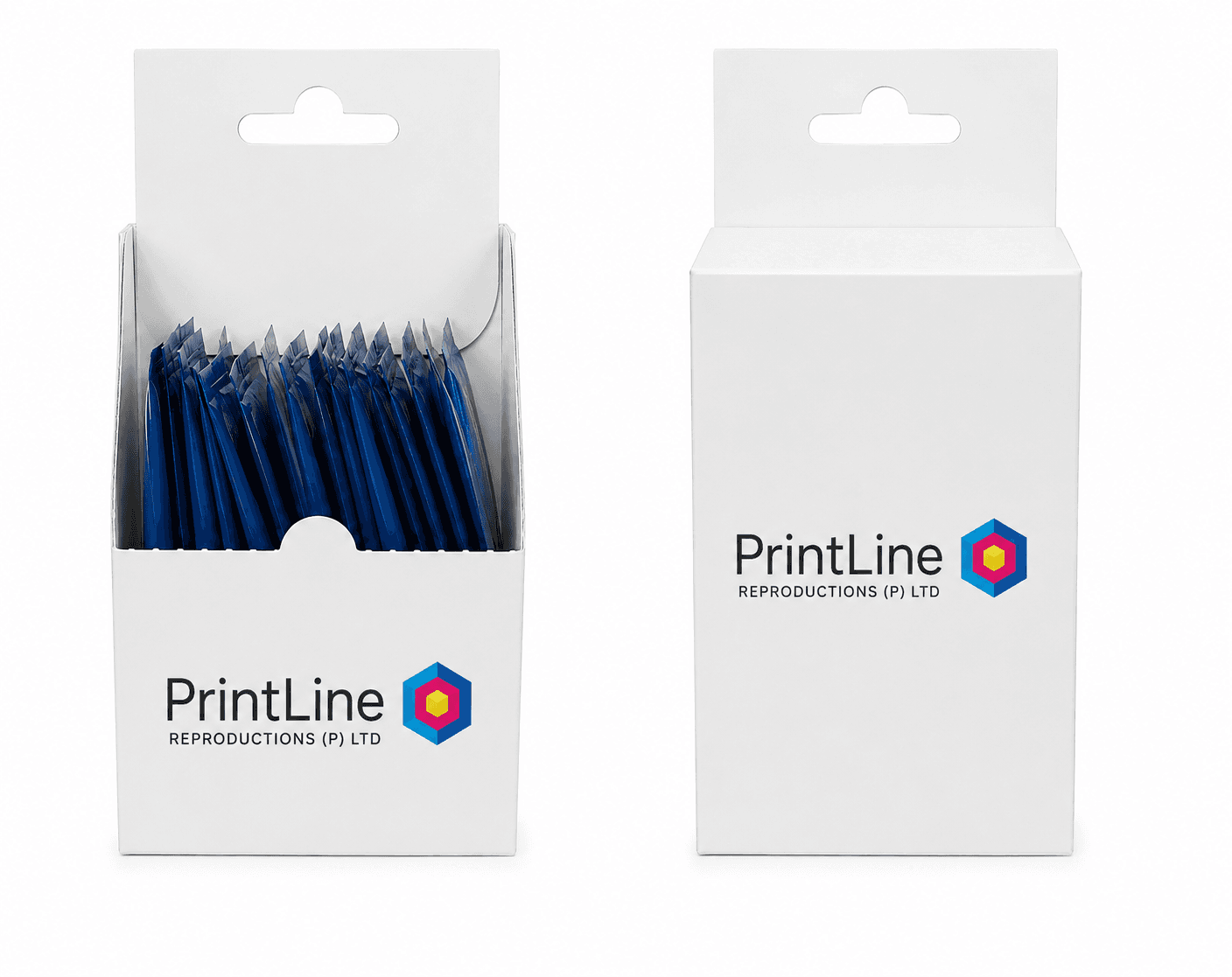
A hang tab box is typically a standard Reverse Tuck End (RTE) or Straight Tuck End (STE) box, but with one critical addition: the top rear panel extends upward and features a die-cut hole (often a "sombrero" or "euro-hole" shape). This allows the entire box to be hung on a pegboard rather than sitting flat on a shelf.
The Big Advantage: Maximum retail visibility. By hanging on a pegboard, your product is brought up to eye level, saving valuable shelf space and catching the attention of browsing shoppers.
Best For: Small retail items, consumer electronics (like phone cases or charging cables), beauty accessories, and hardware components.
The Drawback: Because the box hangs, the structural base must be strong enough to support the product's weight so it doesn't fall through the bottom. A snap-lock or auto-bottom is often required for heavier hanging items.
9. Full Seal End Box
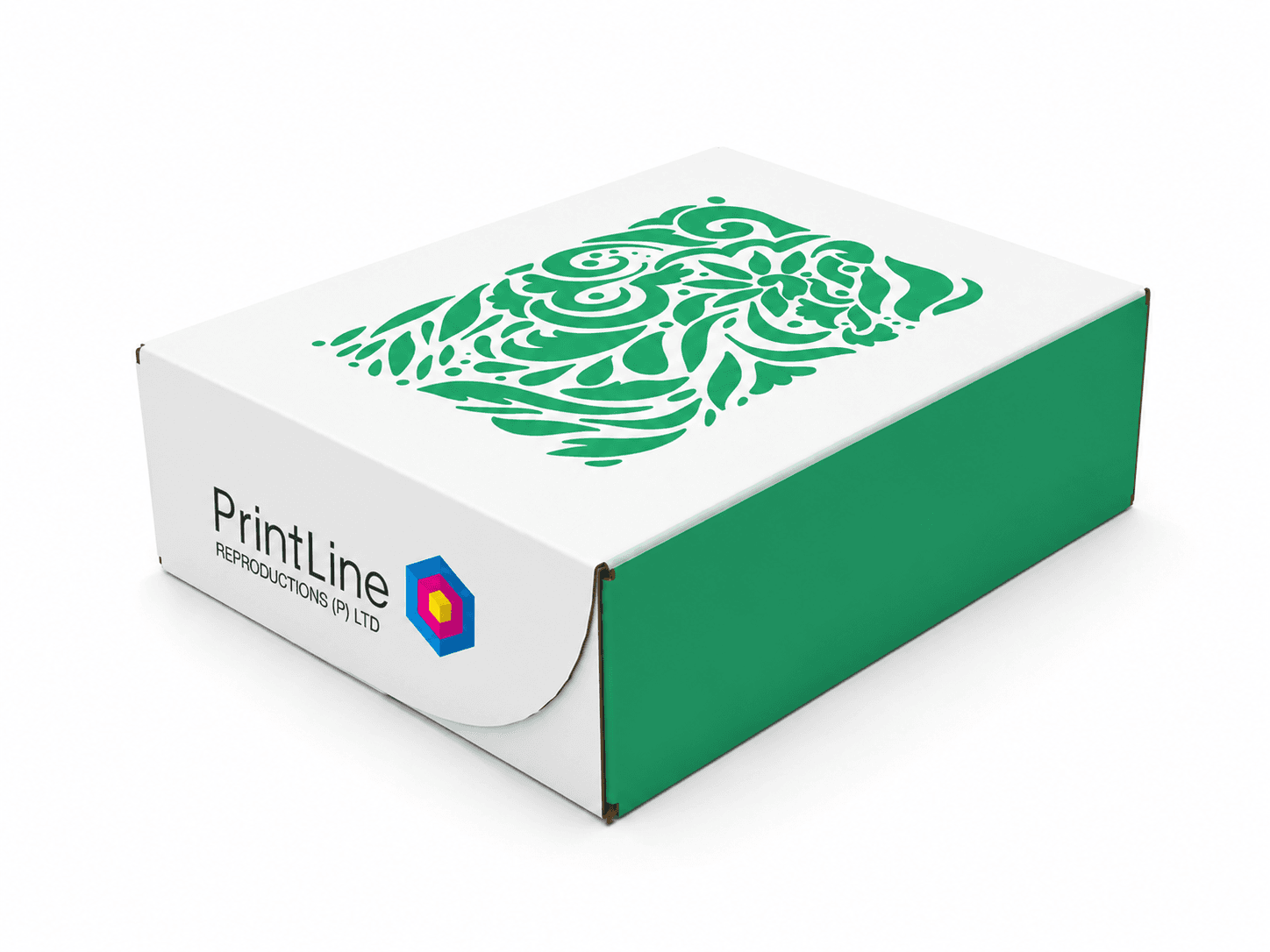
This carton has no tuck flaps at all. Instead, it features overlapping flaps on both ends that must be sealed shut with industrial glue by automated machinery during the fulfillment process.
The Big Advantage: It is 100% tamper-evident. The only way to open the box is to rip the cardboard.
Best For: Frozen foods, cereal boxes, baking mixes, and mass-market pharmaceuticals.
The Drawback: You must have specialized automated gluing machinery at your packing facility to seal the boxes once the product is inside.
10. Tray and Sleeve (Matchbox Style)
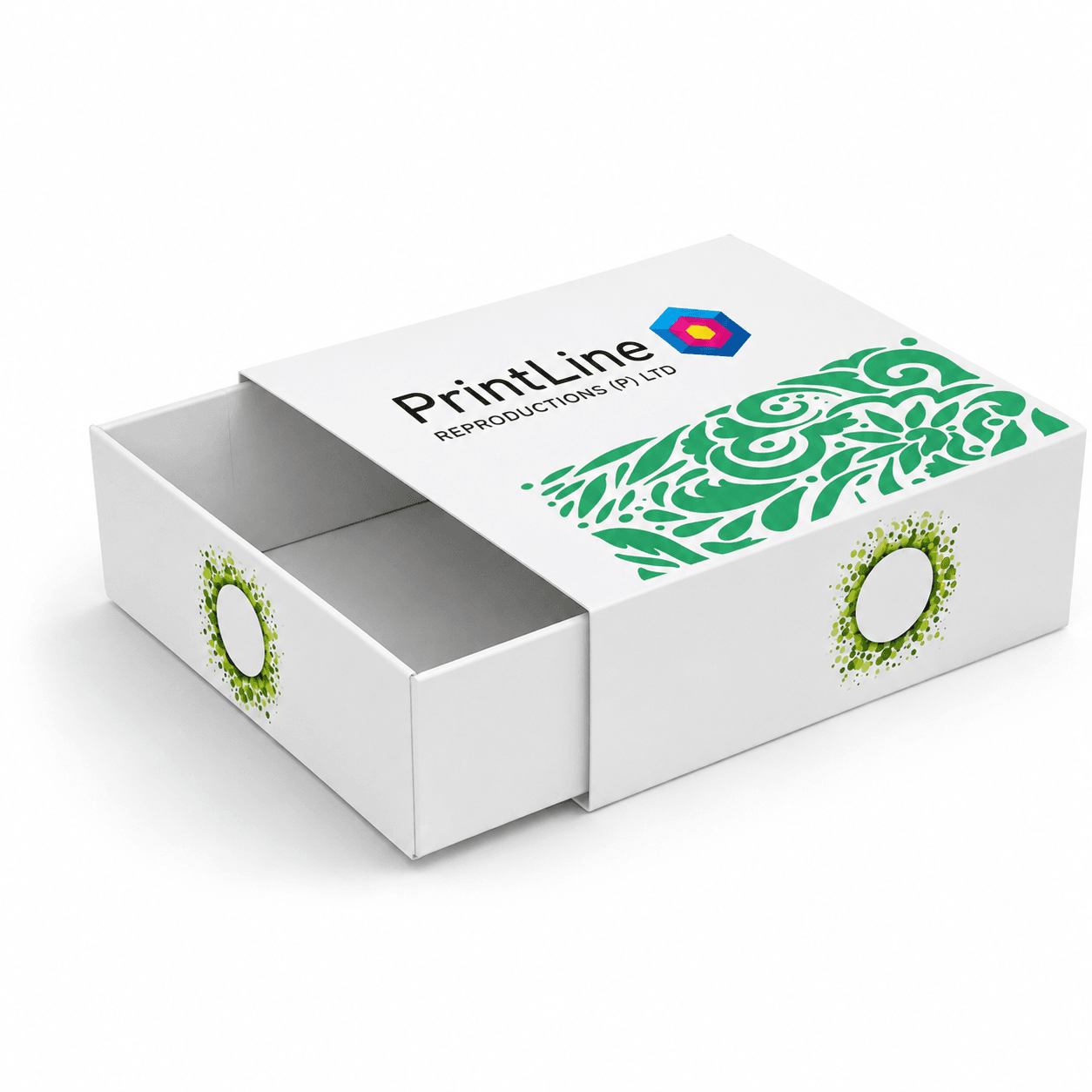
Moving into the luxury category, this style features a rigid inner tray that slides into an outer paperboard sleeve, much like a classic box of matches.
The Big Advantage: It creates a highly premium, sequential unboxing experience. The sliding motion builds anticipation.
Best For: Luxury jewelry, artisan chocolates, and premium gift sets.
How to Choose the Right Style
Still not sure which one to choose? Use this quick decision matrix:
- Is your product heavy? (e.g., a candle). Skip the RTE/STE. You need a Snap-Lock or Auto-Bottom.
- Are you fulfilling 10,000+ orders a month? Warehouse labor is expensive. Invest in an Auto-Bottom or Six-Corner Automatic box to speed up packing times.
- Does your box have a plastic window on the front? You must use a Straight Tuck End (STE) so the flaps stay out of the way.
- Is budget your absolute top priority? Go with the Reverse Tuck End (RTE) to maximize paper efficiency.
Let Printline Engineer Your Packaging
Choosing the right structural design can literally make or break your product on the retail shelf. You don't have to make this decision alone.
At Printline, our structural engineers will evaluate your product's weight, your budget, and your fulfillment process to recommend the perfect carton style. We can even cut physical prototypes (dummies) so you can test the box structure before we ever start printing.
Ready to build the perfect box? Contact the structural design experts at Printline today to get started!